




Workforce Planning Maturity Model
Operational planning is where real complexity surfaces. Shift scheduling becomes more difficult as conditions change and organizations work to keep operations predictable. The Frontline Scheduling Maturity Model provides a structured way to understand how your scheduling practices perform today and what to improve next, using a consistent five‑level progression from Reactive to Best In Class.
Trusted by the world's most mission-critical enterprises
How the Scheduling Maturity Model Works
The Scheduling Maturity Model evaluates industrial labor scheduling across a consistent set of dimensions that influence coverage, execution stability, labor costs, and supervisor workload.
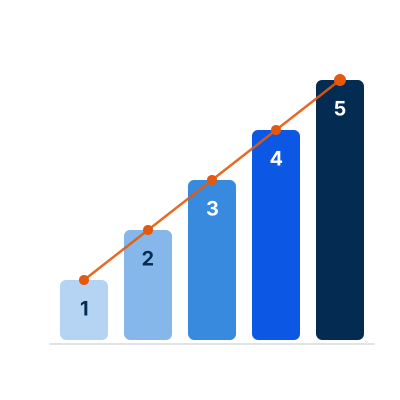
Users complete a self‑assessment by adjusting sliders to match how shift planning and execution operate today. Each category is scored across five levels, allowing organizations to identify their current maturity and compare it against more advanced scheduling practices.
The five maturity levels are:
- Reactive
- Standardized
- Optimized
- High Performing
- Best In Class
Results highlight overall maturity along with the most meaningful next improvements.
Scheduling Maturity Model
- Level 1–2: Workforce Management is manual and inconsistent, with frequent last-minute changes and limited visibility.
- Level 3: Processes are proactively aligned to demand; capacity, skills, and availability are considered upfront.
- Level 4–5: Performance is measured against clear targets and adjustments happen fast within guardrails; Level 5 adds automation and continuous optimization with human oversight.
What the Frontline Scheduling Model Covers
The model examines ten core areas of operational scheduling performance, covering how work is planned, executed, and governed across complex, always‑on environments.
These areas include:
- Demand and coverage definition by shift and skill
- Enforcement of rules and labor constraints
- Skills and qualification‑based assignments
- Stability, preferences, and perceived fairness
- Schedule creation workflows and approvals
- Call‑off handling and recovery
- Supervisor experience and system support
- Overtime and labor cost control
- Schedule quality metrics and KPIs
- Integration, data reliability, and governance
Frequently Asked Questions
This maturity model assesses how shift scheduling performs across planning, execution, and governance using a consistent five‑level framework.
Indeavor’s maturity model is designed for organizations managing complex, industrial, and around‑the‑clock operations where scheduling accuracy and execution reliability matter.
At this level, labor planning is proactive. Coverage gaps are identified earlier, rules are embedded in decisions, skills drive assignments, and schedule quality is measured and improved over time.
Results highlight foundation gaps, optimization targets, and recommended next moves to reduce over and understaffing, improve predictability, and stabilize execution.
The model identifies where automation, structured workflows, and system support can reduce manual effort, improve compliance, and align labor to demand more effectively.
Yes, you can book time with our team to review the results of your maturity model assessment. Please copy and paste your assessment URL.
Discuss Your Workforce Planning Maturity
Schedule a call today to review your results with our team of experts.

