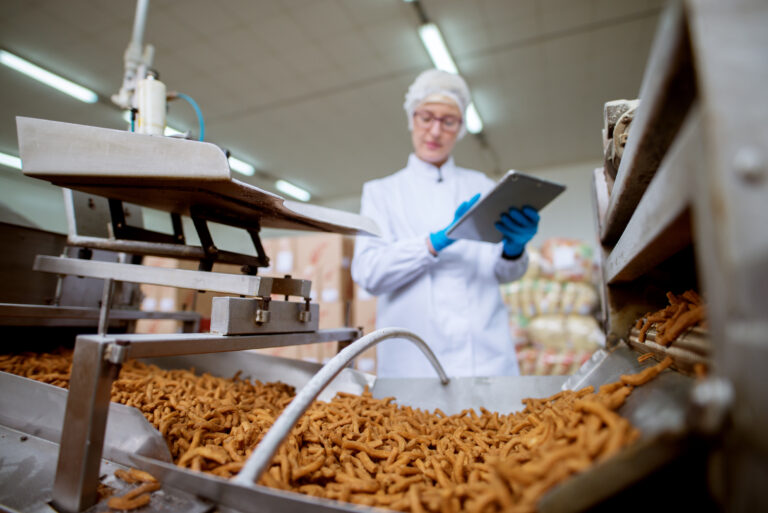

Batch manufacturing enables manufacturers to produce products in defined groups or quantities. For operations directors managing multi-site, 24/7 operations, understanding how to optimize batch production is critical. When done correctly, it can reduce downtime, improve product quality, and maximize workforce efficiency.
Yet, many organizations struggle with labor allocation and scheduling, leading to costly errors and compliance risks. Learn what batch manufacturing is, how to allocate labor effectively, and why automated scheduling is key to driving operational efficiency.
What is Batch Manufacturing
Batch manufacturing is a production method where goods are produced in specific quantities or “batches” rather than in a continuous flow. Unlike continuous production, which runs non-stop, batch manufacturing combines elements of both discrete and process manufacturing, providing flexibility to switch between products, scale production to meet demand, and manage resources efficiently.
Common industries relying on batch manufacturing include pharmaceuticals, food and beverage, chemicals, and consumer goods. This approach offers several benefits:
- Flexibility: Adjust production volume based on demand or seasonal trends.
- Reduced Changeover Costs: Efficiently manage equipment setups between batches.
- Traceability: Maintain quality control and compliance records for each batch.
However, batch manufacturing also introduces challenges. Scheduling complexity, labor coordination, and the risk of downtime can affect overall efficiency if not managed properly.
Allocating Labor for Batch Manufacturing
Efficient labor allocation is critical to successful batch manufacturing. Supervisors must consider worker skill sets, shift patterns, and multi-site coordination to ensure each batch is completed on time.
Each stage of a batch production process may require different expertise. For example, some workers may specialize in machine operation, others in quality control or packaging. Identifying the right mix of skills for each batch is essential to maintaining productivity and compliance.

Challenges of Manual Labor Allocation
Many manufacturers rely on spreadsheets or legacy systems to schedule labor. These methods are often:
- Error-prone: Mistakes can lead to production delays or compliance violations.
- Time-consuming: Manual planning consumes hours or even days of management time.
- Costly: Errors and last-minute changes can increase overtime and labor costs.
Best Practices for Efficient Labor Allocation
Manufacturers can optimize labor for batch manufacturing by:
- Cross-training employees: Increases flexibility to assign staff to different batch tasks.
- Forecasting labor needs: Anticipate workload and align staffing accordingly.
- Balancing workloads across shifts and sites: Reduces bottlenecks and avoids overstaffing or understaffing.
While these practices help, manual labor allocation is rarely sufficient for large, complex operations.
How Automated Scheduling Improves Batch Manufacturing
Automated scheduling is transforming batch manufacturing by using software to plan labor efficiently, reduce errors, and ensure compliance.
- Time Savings: Automated scheduling can reduce planning time by up to 90%, freeing employees to focus on strategic priorities.
- Minimized Errors: Advanced algorithms consider worker availability, skill sets, and shift regulations, reducing costly mistakes.
- Cost Control: Optimizes overtime and labor utilization, lowering unnecessary expenses.
Automated scheduling ensures that the right workers are assigned to the right batch tasks at the right time. This improves production throughput, reduces downtime, and enhances overall operational performance. Multi-site and 24/7 operations especially benefit from automation, as it can dynamically adjust schedules across locations without manual intervention.
Real-World Application
Consider a global CPG manufacturer in Wisconsin that operates 24/7 with a workforce of approximately 650 employees across three departments. They produce multiple SKUs in a facility with 13 cost centers and two crews running two 12‑hour shifts across ~60 positions.
Prior to automation, the plant faced significant labor planning issues. Ingredient delays and production pivots caused domino effects in shift scheduling. Some days they had an oversupply of qualified labor, displacing staff to non‑production tasks and increasing indirect costs. Other days they faced labor shortages that were patched with costly overtime and high employee churn due to mandatory overtime.
After implementing Indeavor’s automated scheduling and mobile self‑service apps, the plant achieved:
- A 50% reduction in monthly overtime utilization
- A decrease in schedule‑creation time from hours to minutes
- Labor plans are posted promptly via mobile, improving visibility and responsiveness
This case shows how automation in batch manufacturing does more than streamline scheduling; it drives measurable improvements in operational efficiency, labor cost control, workforce satisfaction, and production throughput.

Best Practices for Integrating Automation
To maximize the benefits of automated scheduling in batch manufacturing, it’s important to align automated scheduling with broader operational goals.
- Integrate with real-time production and labor data: Ensures schedules reflect current operational realities.
- Monitor key KPIs: Track metrics like production efficiency, overtime hours, and error rates to measure improvement.
- Train teams on new tools: Employees should understand how to interact with automated scheduling systems.
- Iterate and optimize: Continuously refine schedules based on historical data and emerging production patterns.
By linking employee scheduling software to inventory management, maintenance planning, and quality control processes, manufacturers can create a fully synchronized production environment. This integration not only ensures that labor is allocated efficiently but also that all aspects of batch production work in harmony, reducing bottlenecks and increasing throughput across the entire operation.
Take Action Today
Batch manufacturing provides the flexibility and control needed to produce quality products efficiently. However, without effective labor allocation, inefficiencies and compliance risks can quickly undermine productivity. Automated scheduling addresses these challenges by aligning workforce resources with batch production needs, reducing errors, cutting costs, and boosting overall efficiency.
For operations leaders aiming for operational excellence, investing in automation for batch production is a strategic move. Book a demo today to see how Indeavor’s automated scheduling solutions can transform your operations and maximize workforce efficiency.
About the Author
Claire Pieper is the Digital Marketing Specialist for Indeavor. In her role, she specializes in crafting strategic and engaging content, ensuring that customers are well-informed. Claire is dedicated to enhancing the customer experience and optimizing the user journey through Indeavor’s solutions. To learn more or get in touch, connect with Claire on LinkedIn.