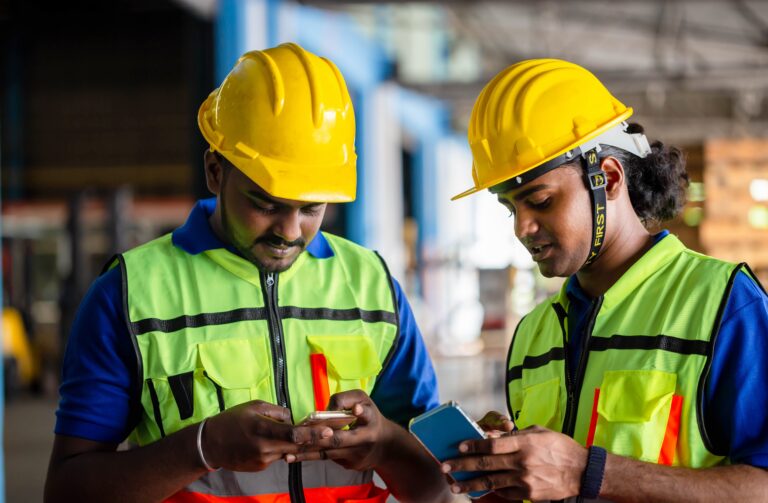

Frontline and hourly workers face some of the largest information gaps, which require constant coordination, quick decision-making, and real-time updates. The pace of industrial work, evolving regulations, and increasing expectations for responsiveness put pressure on employers to enhance communication in the workplace and eliminate the barriers that prevent frontline teams from staying informed.
Many organizations still rely on outdated manual methods such as bulletin boards, paper notices, siloed call lists, or messages passed informally from person to person. While these methods may have worked before the tech boom, the modern workforce requires communication in the workplace that is immediate, accurate, and relevant.
A report by Unily Research shows that frontline workers spend 376 hours per year or nearly 10 full workweeks, searching for, waiting on, or redoing tasks due to inaccessible information, costing large enterprises over $7 million dollars annually in lost productivity.
Without high-quality communication in the workplace, employees are forced to make decisions without full context, and supervisors must spend more time recovering from missteps. The ripple effects can be felt across shifts, departments, and entire facilities.
The Growing Complexity of Frontline Communication
Frontline employees face unique challenges that affect how they receive and interpret information. Which is why employee communication tools in the workplace must be thoughtfully designed. Many frontline workers are constantly moving, do not use desktop native tools during their shift, and may not have consistent access to email or chat platforms.
Fragmented communication creates confusion, slows work, and contributes to avoidable downtime. When updates are delivered through scattered channels, employees are forced to piece together the information they need. This inconsistent flow can create stress and lower trust in leadership. For frontline teams, communication in the workplace must reach them where they are, not where traditional systems expect them to be.
Another challenge is the sheer volume and variety of messages frontline workers receive. Workforce announcements, shift changes, safety instructions, compliance reminders, or facility alerts may all compete for attention. Without a streamlined system, important updates can be lost among less urgent ones. Improving workplace communication requires intentional filtering so that employees only receive what applies to their role, shift, or location.
For organizations with multiple facilities or 24/7 operations, timing matters. Workplace communication must account for employees who work different schedules, switch between departments, or start their shifts at unconventional hours. Without a standardized method for delivering information, organizations risk uneven messaging and operational inconsistencies.

What Effective Frontline Communication Looks Like
Building effective communication in the workplace begins with recognizing that frontline teams need structured, predictable, and accessible systems that support their responsibilities. Because frontline workers often operate in fast-paced and high-stakes environments, the clarity of their messages directly influences their performance.
- Targeted Messaging: Employees should only receive updates that apply to their specific job, task, or shift. This reduces the mental load of sorting through irrelevant information and ensures that important instructions stand out.
- Real-Time Accessibility: Most frontline employees rely on their mobile devices to stay connected. Text and voice provide reliable delivery methods that work across different levels of digital literacy and device types.
- Communication Consistency: When messages follow a recognizable format and come from a centralized system, employees know how to process and respond to them. Consistent communication lowers error rates and makes operations more predictable.
- Clarity: Frontline workers often multitask or operate machinery, which means long or overly detailed messages can slow them down. Clear instructions help prevent hesitation, misunderstanding, and delays.
These practices ensure that workplace communication supports rather than interrupts the work employees do.
Why Improving Communication Should be a Business Priority
Many organizations see improvements across multiple areas when communication systems are modernized. Poor communication with employees impacts performance, safety, employee satisfaction, production outcomes, and more.
Productivity increases when employees have immediate access to the information required to perform their duties. When shift changes, schedule updates, or procedural instructions are communicated quickly, employees can adapt without unnecessary downtime. With better communication in the workplace, teams coordinate more smoothly, and supervisors experience fewer disruptions.
Employee engagement also improves when communication is handled well. Employees who feel informed tend to have a stronger sense of belonging and purpose. Workplace communication that is accurate, inclusive, and transparent builds trust between frontline workers and leadership. Feeling connected helps reduce turnover, which remains a significant challenge for many industries.
Safety and compliance depend heavily on communication in the workplace. In environments where hazards are present or operational risks are high, the speed of communication is integral for preventing incidents. Real-time messaging helps organizations distribute urgent updates to the right employees quickly and reliably.
High-quality workplace communication also enhances decision-making. When leaders can reach specific groups instantly, they are better equipped to respond to staffing shortages, system failures, or shifts in demand. Clear and timely information allows employees to react with confidence and accuracy.
Strategies to Improve Communication for Frontline Teams
Organizations can improve effective communication skills in the workplace by implementing practical, sustainable strategies that align with how frontline employees work.
- Develop Clear Message Structures: Communication should be easy to understand at a glance, with the most essential information presented first. This is particularly important when employees must respond quickly.
- Create a Structured Communication Workflow: This means defining who sends messages, what channels are used, and which types of updates require immediate delivery. A structured workflow ensures that employees always know where information comes from.
- Match the Message to the Medium: Text messages work well for quick updates, while voice calls can handle urgent or more complex information. Choosing the right format reduces confusion and increases comprehension.
- Use Messaging Automation: Automated reminders for shift openings, schedule updates, or facility announcements can save supervisors time and reduce manual coordination.
- Build Training Frameworks: When managers understand communication best practices, they set a positive example and reinforce strong communication in the workplace for their teams.
- Centralize Communication: Eliminate scattered tools and reduce the chance of missed updates. A unified platform ensures that workplace communication is delivered consistently for every employee.
An employee communication app can help organizations unify their messaging and reduce the friction that often slows communication for frontline teams. By streamlining updates through a single communication platform, employers ensure that critical information reaches employees exactly when they need it.

Indeavor Connect Supports Modern Frontline Communication
Indeavor Connect was designed specifically to address the gaps that frontline and hourly workers experience. It helps organizations achieve stronger communication in the workplace by making updates timely, targeted, and easy to deliver.
With the ability to contact only active employees using filters based on shift, job, or facility area, organizations can ensure that the right message reaches the right people. Real-time delivery through text messages or automated voice calls gives both leaders and employees confidence that critical updates will be received quickly.
The platform eliminates the need for multiple disconnected systems and reduces errors caused by manual outreach. With these features, Indeavor Connect enhances workplace communication and helps organizations operate with greater agility and consistency.
About the Author
Claire Pieper is the Digital Marketing Specialist for Indeavor. In her role, she specializes in crafting strategic and engaging content, ensuring that customers are well-informed. Claire is dedicated to enhancing the customer experience and optimizing the user journey through Indeavor’s solutions. To learn more or get in touch, connect with Claire on LinkedIn.